


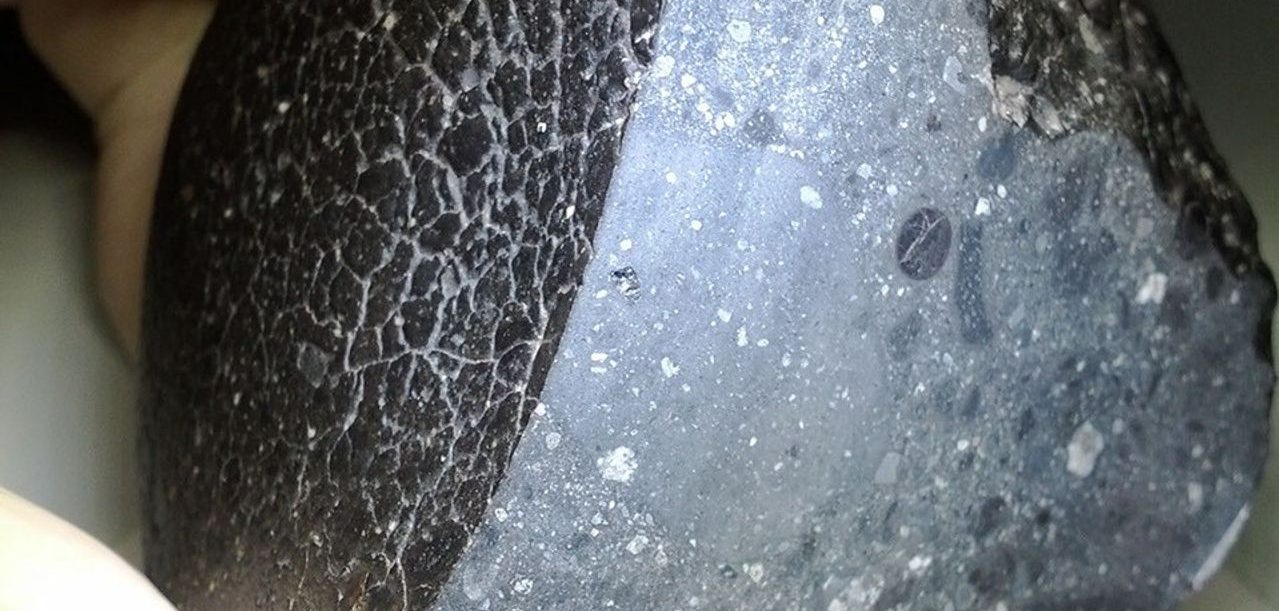
When Earth formed, gas, dust and ice in our solar system coalesced into a rotating disc around the young Sun. Research shows that dust particles in molecular clouds readily collect layers of ice that contain volatiles and organic molecules.
How these icy particles subsequently grow into larger objects such as comets and asteroids within this rotating disc is not yet well established. Probably, ice layers are preserved in some places, whereas in others they evaporate and redeposit.
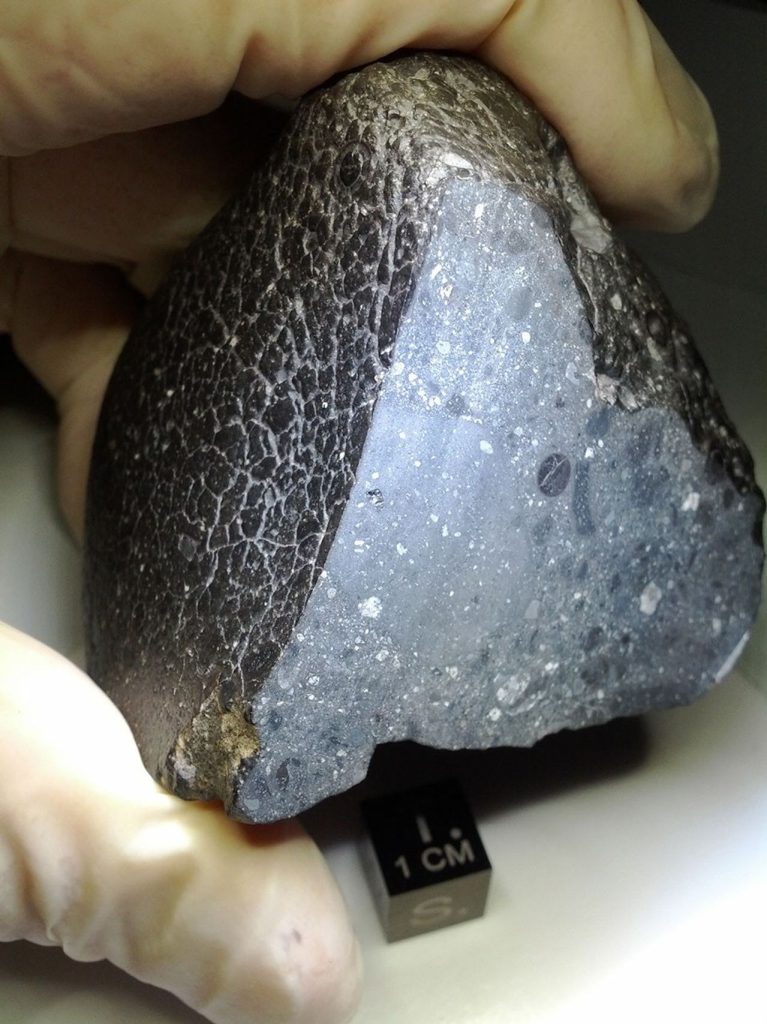
This leads to different structures. One the one hand: well-mixed icy ‘balls’ in which volatiles and solid particles coexist. On the other: particles with a solid core surrounded by a layer of ice.
This project uses new experimental setups to study these structures that have so far hardly been investigated. The results will be used to model how organic molecules in ice survive and what kind of organic remnants originate in the process.